From the Director’s Desk • September 2026

One of the delights of the end of my summer was watching the new documentary on Mary Oliver, Saved by the Beauty of the World, which premiered on PBS’s American Masters after a brief run in independent theaters. (You can still check it out if you have PBS Passport—a wonderful investment, if you don’t already contribute).
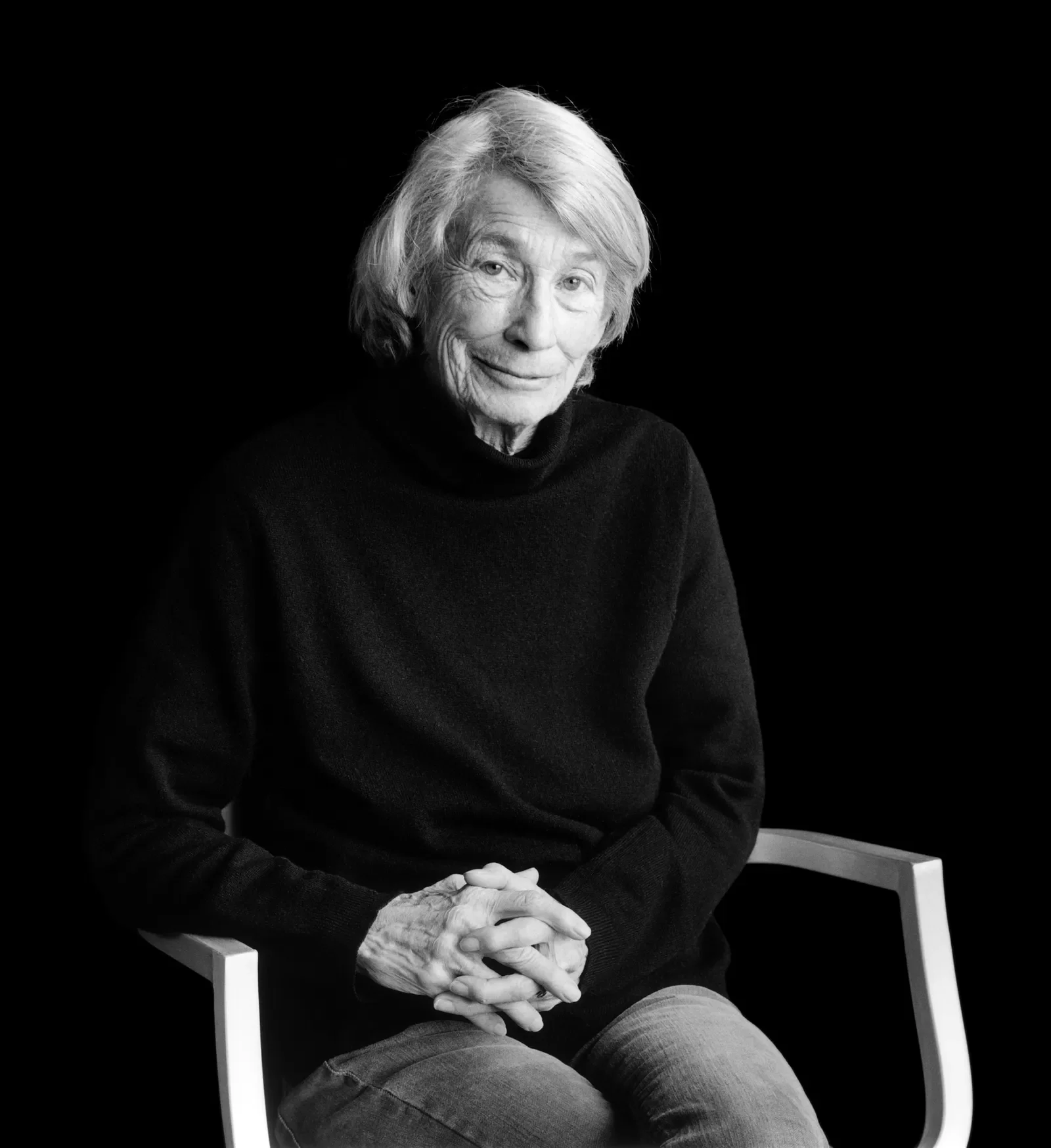
I’ve long invoked Oliver’s “instructions for living a life,” taken from the poem “Sometimes” with my students:
Pay attention.
Be astonished.
Tell about it.
There’s much to love here, but I particularly appreciate how this tripartite structure gives shape to our calling: how we need to slow down enough to give heed to what’s around us, moving beyond the “skim,” whether with a text, with a person, or with the world around us. How that engagement should lead to a response, good or bad. After all, we can be “astonished” that something is amazing or horrible. But respond we must—life is about connection. And above all, how we have a responsibility to share what we see. In the Christian tradition, we might call that “testifying”: to make known what we have been witness to. But by whatever name we call it, every time we “tell” about our small corner of vision, that “telling” allows a greater understanding of God’s immense creation and enlarges the story.
Those testimonies, then, help us see places and meet people we never would get to in our time- and place-bound lives. And perhaps, just perhaps, it helps us get a little further down the road of loving our neighbors as ourselves since the best narratives can work on developing that much-needed empathy.
It’s one of the reasons I think so many of us are mourning the passing of Dolly Parton and Wendell Berry. Both were exceptionally inspiring writers, committed to celebrating the stories of particular people in particular places—places that were rural and unglamorous, joyful and difficult. Perhaps different than some of their readers’ experiences, but still complicated people living complicated existences.
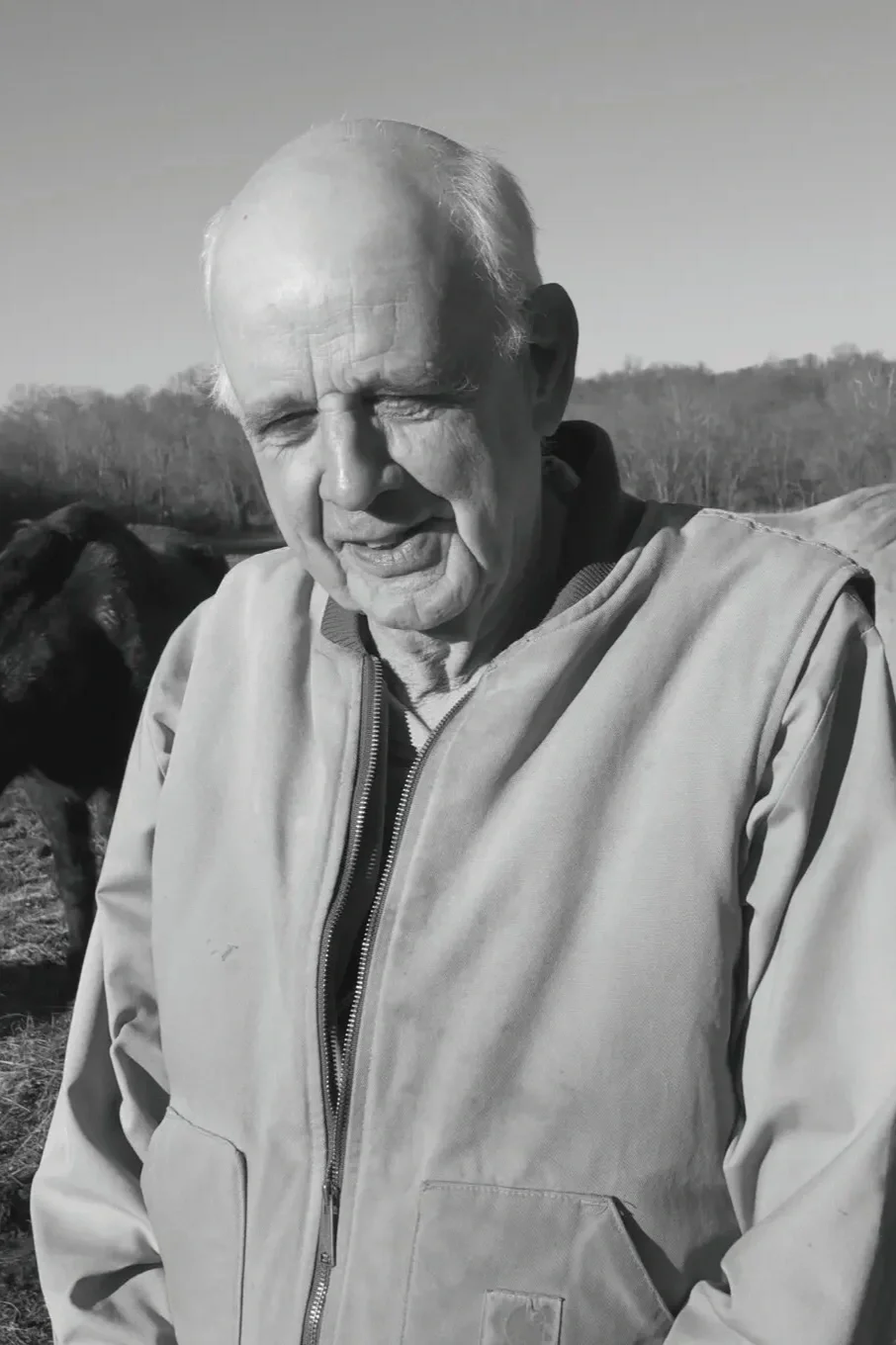
It’s why I’m so fond of Berry’s Sabbath poems, and this one in particular (X from 1979) where he talks about how joy comes—not by magic—but by long, faithful work, attuned to the rhythms of grace:
Whatever is foreseen in joy
Must be lived out from day to day.
Vision held open in the dark
By our ten thousand days of work.
Harvest will fill the barn; for that
The hand must ache, the face must sweat.
And yet no leaf or grain is filled
By work of ours; the field is tilled
And left to grace. That we may reap,
Great work is done while we’re asleep.
When we work well, a Sabbath mood
Rests on our day, and finds it good.
Amen, St. Wendell. Thank you for calling us to faithful work and to gracious rest.
My entire life I’ve adored Dolly Parton—I could have spent this entire blog counting the ways. So many people have already eulogized her well, so I’ll end instead by highlighting what I think of as a perfect modern psalm, “Light of a Clear Blue Morning.” Like her more famous “I Will Always Love You,” Parton wrote this song after escaping from the toxicity of working with Porter Wagoner; it was, she said, her “song of deliverance.” Originally released in the late 1970s, she re-released an updated version this past January—inviting a diverse group of women to help her sing it. The song masterfully moves from lament and pain in the slow, quiet opening to the ever more exultant, upbeat middle and end as the chorus is repeated to emphasize the “joy that comes in the morning” (Psalm 30:5). Taken a different way, this is Parton’s wonderfully hopeful version of Julian of Norwich’s “all shall be well.” In an interview in the 1980s, Andy Warhol observed to Parton, “You could be a great preacher.” To which she responded: “What do you mean? I am a great preacher.” Too right.
Amen, St. Dolly. Thanks for this vision of restoration and for all you did in song and in deed to make “everything alright” in so far as you could.

It's been a long dark night
And I've been a-waitin' for the morning
It's been a long hard fight
But I see a brand new day dawning
I've been looking for the sunshine
You know I ain't seen it in so long
But everything's gonna work out just fine
And everything's gonna be alright
That's been all wrong
Chorus: 'Cause I can see the light of a clear blue morning
I can see the light of a brand new day
I can see the light of a clear blue morning
Oh, and everything's gonna be alright
It's gonna be okay
It's been a long, long time
Since I've known the taste of freedom
Those clinging vines
That had me bound, well, I don't need 'em
Oh, I've been like a captured eagle
You know, an eagle's born to fly
Now that I have won my freedom
Like an eagle, I am eager for the sky