
Learning from a Weasel
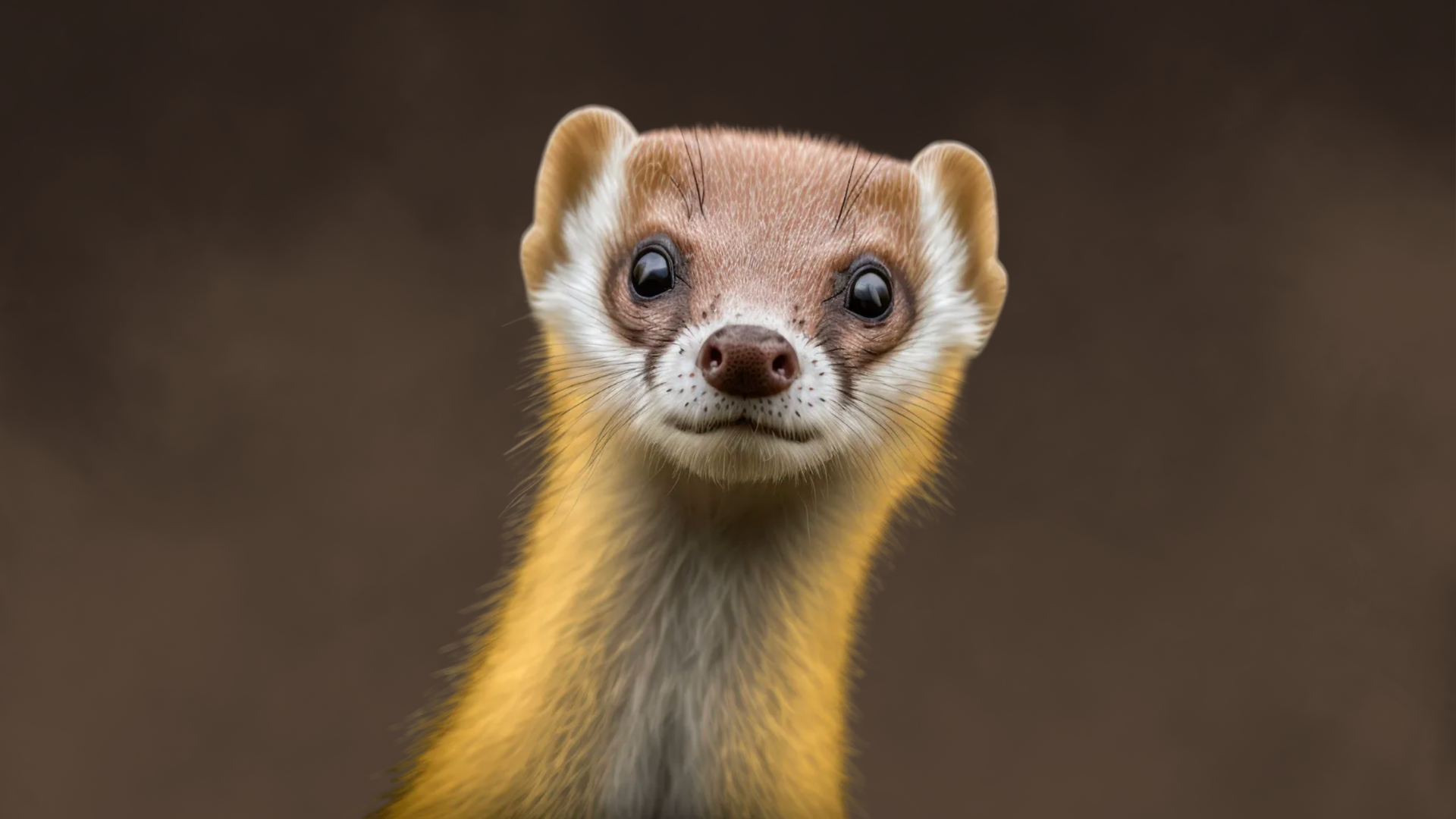
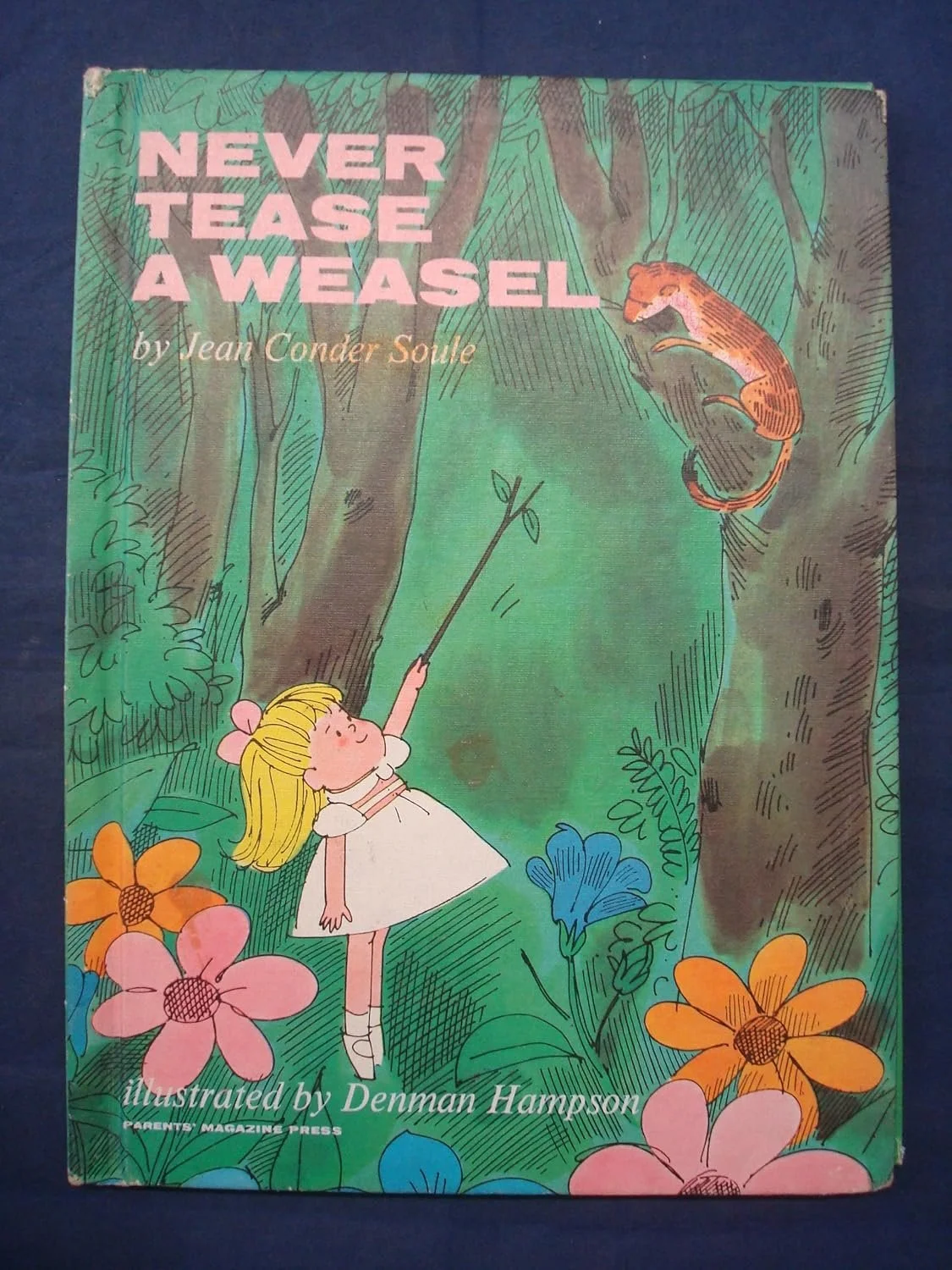
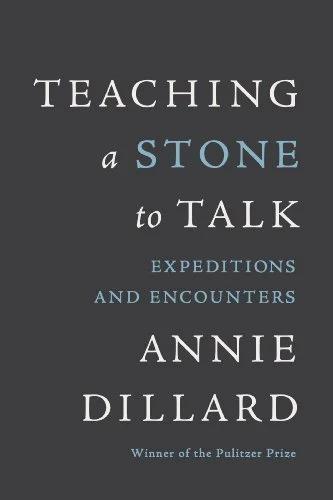
When I was a kid, my parents read me a book by Jean Conder Soule called Never Tease a Weasel. The story’s refrain was, “Never tease a weasel. A weasel will not like it. And teasing isn’t nice.” Although I grasped the sing-song wisdom of respect for bright-eyed critters, I think I probably missed the sheer otherness of weasels. But that’s an aspect of creatureliness that Annie Dillard foregrounds in her essay “Living Like Weasels.” I recently returned to the piece and found that it opens with these words:
“A weasel is wild. Who knows what he thinks?”
Now that, I thought to myself irrelevantly, sounds like a chatbot. Wait, where did that thought come from? I mean, there are exactly zero ways that AI is wild in an Aldo Leopold/Wendell Berry sense of the term. (In fact, data centers threaten that form of wildness.) No, AI is wild, but only in a Gen Z “that’s wild, that’s insane” sense of the term.
Still, like Dillard’s weasel, AI provokes questions:
Who knows what a chatbot thinks? Does a chatbot think? Who even knows what thinking is anymore!
Such questions pop up for me as I write a newsletter about internal communication (this blog post adapts one such newsletter). Most professionals use AI to do their messaging in highly individualized ways, treating ChatGPT like a genie in a bottle.
My 3 wishes: Craft my email. Schedule my meetings. Fix the damn spreadsheet.
But still, when it comes to the bot weasels, who really knows how they think?
I can’t answer such questions. But I would like to put on my faith-and-writing lens for a minute and ask what the peculiar strangeness of bots enables us to see about the weird world we live and wild creatures we live with.
LIVING IN THE STRANGENESS OF THE WORLD
For many people in CCFW’s community of writers and readers, the new world of AI may have become decidedly obnoxious. One woman professional told me recently that, since these AIs were trained on our books and articles and ideas, chatbot assistance tends to feel like mansplaining:
“How may I intrude upon your expertise with my knack for artful bullsh#t?”
A weasel is wild. Who knows what he thinks?
I get my friend’s annoyance. But if we watch AI the way Dillard studies a weasel, I think we might learn a thing or two about the world we’re in.
My hunch is that the weird pop-up presence of chatbots helps us make a foreground/background shift. The chatbot’s sometimes annoying omnipresence can, in other words, shift our attention from the immediacy of our tasks to the background structures that shape our tasks. The chatbots provoke questions like, How do I want my everyday tasks to interact with these larger, technological systems? What do I feel okay about delegating to Google’s Gemini? What practices do I need to keep, because they’re core to my vocational identity?
If we’re willing to adopt an Annie-Dillard-like attentiveness, AI encourages attention to the background systems in our world: the data centers, the large language models, the fiberoptic cabling, the infrastructure. Ignoring these systems (and obsessing on our immediate tasks) is like ignoring the backstory in a novel. If you miss the backstory in chapter 2, you won’t understand the conversation in chapter 6.
So, the first thing I think AI helps us notice is what the Psalmist calls “the world and the fullness thereof.” But I think the chatbots also remind us to pay close attention to the creatures inhabiting that world with us.
LEARNING THE STRANGENESS OF OUR SPECIES
Let’s say you sit down to write an email:
Hey Sam, hope you’re doing well! Thanks so much for finishing that document yesterday. You’re fast! Quick heads-up, tho’: I found a few typos. Not a big deal—just trying to make sure the higher-ups see we’ve got things in hand. Why don’t you work with Amelia on the next one? Deadline’s Friday—send her a draft by Thursday, ok?
If Sam reads your note, he will probably notice …
the tone (collegial but concerned)
the unspoken parts (performance matters in this budgetary moment)
your likely feelings (you’re a little anxious)
If a bot reads the same email, it’ll notice that…
the content is performance-related
there’s now a working team (Sam and Amelia)
there’s a task due Friday
These two wildly different ways of processing the same email cues us to notice variation and diversity in community. The alien bots, in other words, coach fresh awareness for the other strange creatures around us. (As Walker Percy says somewhere, Nobody’s crazier than humans.)
Letting AI cue us to the actual strangeness of our communities means avoiding two temptations, or two ways to tease a weasel.
Temptation 1: ignore the weasel
One temptation is to act as if all the mortal creatures we’re communicating with are exactly like ourselves, as if everyone were in our heads, not out there in the wild. So, we dash off a note like:
Hi guys, I’ve been sitting with our draft. Feels like it’s almost there — but the sludge, my gosh, the sludge. Give it a gander, would you? It’ll take a minute, I know. Eyeball the part where we’re trying to name the project. Does it sound like us? Timeline’s wonky, too. But, look, this deliverable’s gonna happen, I’m sure of it!
This is a fun email, but it assumes too much. It’s too figurative, too indirect, too non-linear, too many hedges, too dependent on what’s not being said. The writer’s ignoring the wildly different ways people will receive the message.
Temptation #2: control the weasel
Another temptation is to make yourself so friggin’ clear that no misunderstanding’s conceivable. But then your message also becomes so robotic, that nobody can bear to read it:
Attention: this email is to request completion of the Draft Project Overview Document (version 2.3c) by 4:00 PM ET on Wednesday, June 5. For clarity, “completion” indicates that all sections labeled “in progress” or “pending” must be revised to reflect SEO specs. Review Section 1.0 (“Executive Summary”) and confirm the word count 140-160 words….
I don’t need to go on; you see the missing nuance and emotional tenor. The bots will pick up what you’re putting down. The humans will slip away like the wild things they are.
WHO KNOWS WHAT A WEASEL THINKS
Love calls us to the things of this world.
Richard Wilbur
The storybook my parents used to read to me half a century ago recalls the importance of being kind to the strange creatures around us. (“Teasing isn’t nice.”) As anyone knows who’s tried to look at community through the eyes of faith, the challenge of kindness can be overwhelming. But as the theologian David Ford has pointed out, being overwhelmed is native to our mortal condition. Unfortunately, we humans often try to slip around the overwhelm by ignoring it or trying to make it manageable.
So, I guess I’m grateful, at least on some days, that AI makes uncanny appearances in our lives. I need its reminder of the weirdness of being and beholding all the mortal creatures. “Love calls us to the things of this world,” says Richard Wilbur, glossing Augustine. Admittedly, the things of this world have become passing strange. But that wildness can recall us to the craft of becoming more fully human.
