Grief and Festival
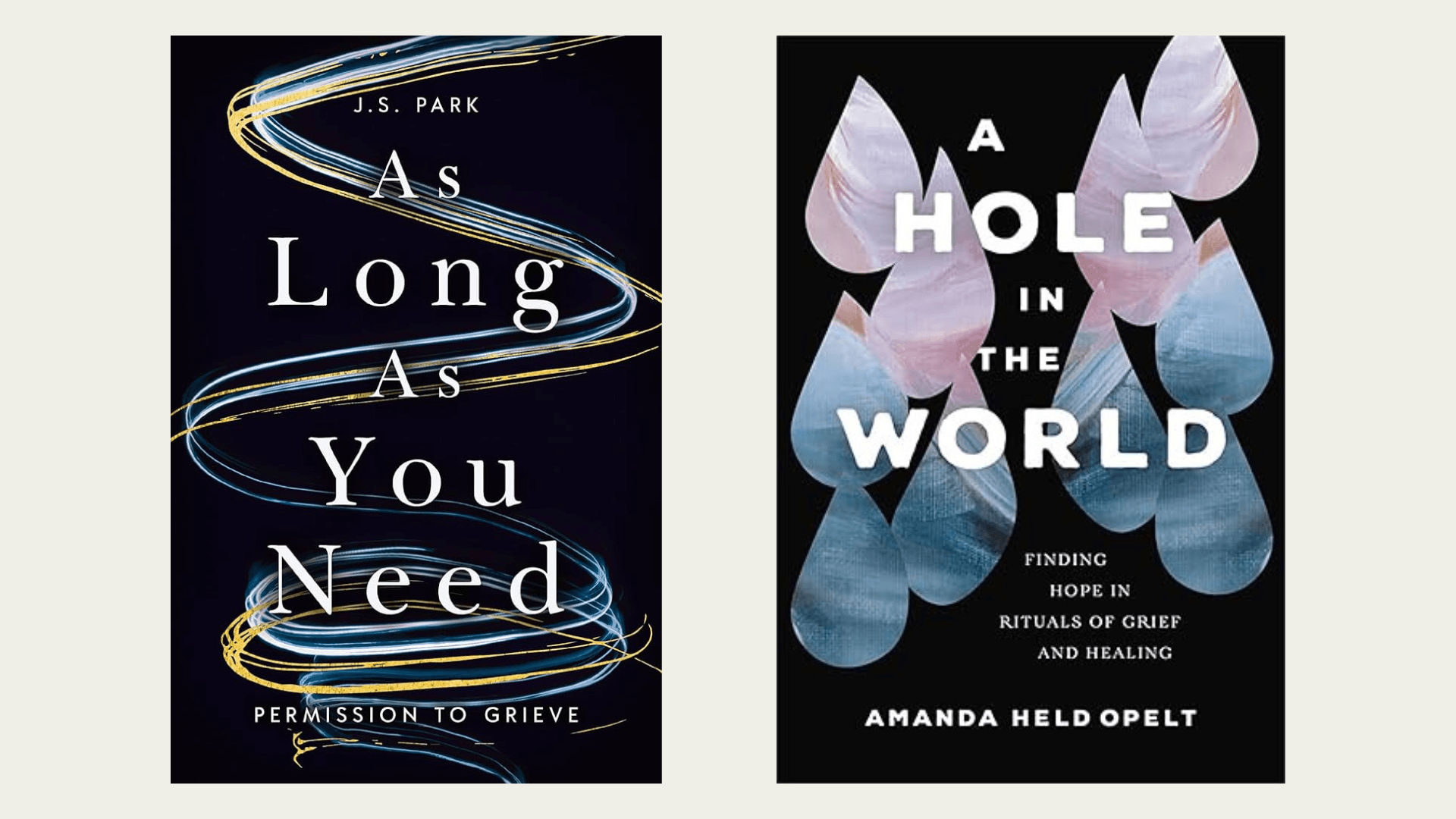
One of the cushy parts of being a Student Fellow here at the Center is that I get paid to read this year’s Festival books. It’s pretty much as incredible as it sounds. I’ve enjoyed the wide spread of style and genre this year’s authors have to offer, from Robin Wall Kimmerer’s The Serviceberry or Eli Cranor’s Don’t Know Tough, to Ariel Lawhon’s The Frozen River. As I’ve traversed these pages I’ve giggled, sighed, nodded emphatically, and felt my jaw drop to the floor on numerous occasions.
Words are a gift. Festival knowers and goers, you can attest to this. The recognition of this gift is what fuels the anticipation for Festival as April draws near. Words hold the ability to delight, surprise, shock… render devastating injury or incredible healing. But perhaps more than anything, they teach us the wisdom of living by ascribing language to something previously thought unnamable.
Words hold the ability to delight, surprise, shock… render devastating injury or incredible healing. But perhaps more than anything, they teach us the wisdom of living by ascribing language to something previously thought unnamable.
So as we count down the days to Festival, I want to talk about grief.
I’ve learned a lot about grief this year. I’ve learned firsthand that giving language to grief is a lifeline. Unidentified grief is an animal feeling, so wordless it feels as though all you can do is wail. Perhaps it was out of this tumult my hands reached for the titles they did.
The first was J.S. Park’s As Long As You Need. I finished the book in a week (a feat for any college student), my fingers barely turning the pages in time for my hungry eyes. Soon after that it was Amanda Held Opelt’s A Hole in the World: Finding Hope in Rituals of Grief and Healing. Both have become incredible gifts.
But why grief and festival?
Because both Park and Opelt provide strong ties to practicing faith, and both suggest that our culture approaches grief all wrong. Because grief is something we want to stamp out, to get over, something we want to put away so our lives can go back to normal.
We’re left with two choices: We can suppress it and let its weight drag us down, or we can embrace it.
That’s why Opelt offers rituals and practices, why Park insists we take as long as we need. As Park writes, while we want to “move on,” what we need is to “move with.” Grief alters life irrevocably and latches onto our stories whether we want it or not.
Because that’s what I think a festival is. It’s for embracing things. And grief, I’ve learned, deserves to be celebrated.
Why say celebration needs to be joyful? As I read, I found that both authors presented a similar problem they’ve found in their grief-work: A total crumbling and reconstruction of faith. A need to cast away the Sunday School oversimplifications of life, and to embrace what is hard. “Grief is God’s labor,” Opelt writes. In my own walk, just as I realized joy is not a prerequisite to come before God in worship—contrary to what Sunday School suggests—perhaps a festival for grief entails celebrating what was while living in the reality of what isn’t or what may never be.
When we encounter loss, we need to let grief run its course. But more importantly, we need to grieve in community.
Enter festival. Enter celebration. Enter a coming together of community, under a shared acknowledgement of reality.
Opelt references singer-songwriter and theologian Michael Card, quoting “Lament is not a path to worship, but the path of worship.” “What is worship,” she goes on to write, “if not to stand in agreement with God in truth, in joy, and in sorrow?”
Just as the God of my faith spoke the world into being, I realized that the words from Park and Opelt were speaking my grief into being. To gift something language is to make that thing real.
So I’m looking forward to Festival. I’m looking forward to the wisdom that will abound within the walls of this campus so very soon, and readiness from all of you to receive it.
And I’m looking forward to you all, festival goers—coming as you are, whether curious, weary, or grief-stricken—eager to let words do their work.